

 UAE
UAE

 United Kingdom
 Switzerland
 United States












 Italy
Italy France
 India
India UAE
UAE Germany
 Russia
 Malaysia
 Spain
Spain United States
 Malta
Malta
Best Electrical Engineering Project Ideas and Topics for Final-Year Students
Best Electrical Engineering Project Ideas and Topics for Final-Year Students
Electrical engineering is mostly about working with electricity in different forms. Sometimes it is power flowing through lines and machines; sometimes it is small signals moving inside circuits or chips. The field comprises power systems, electronics, communication, control, and embedded hardware. For any engineering student, final-year projects are paramount because a lot of learning and application of concepts actually happens while building circuits, checking readings, or fixing something that didn't work the first time.
Why Final-Year Projects Are Important for Careers in Electrical Engineering
Final-year projects are the bridge from student to engineer. During the project, rather than solving fixed questions, you pick a problem and work on it. You will try to build a solution, test it, face mistakes, and improve it step-by-step. This process is often more important than marks, because it demonstrates how you think, work through problems, and complete real tasks.
The type of project you undertake can also influence your job options. For instance, power and energy projects connect well with utilities and renewable firms, while embedded and IoT work suits product companies and startups, and data- or sensor-based projects fit automation and maintenance roles. The projects listed ahead in this article are chosen specifically to match current industry needs and what employers expect from electrical engineering graduates.
1. Solar Microgrid with Load Management
This project deals with running a small building or hostel using solar power and batteries. Power is shared between the important loads and non-critical ones, depending on availability. When energy is low, some loads are automatically cut off to save power. Basic battery protection is also part of the setup.
Outcome:
Students understand how solar panels, inverters, and batteries work together in real conditions. It gives useful experience for renewable energy and microgrid-related jobs.
2. Low-Cost Energy Meter with Real-Time Monitoring
The aim is to build a simple energy meter that measures power usage and sends the data to a phone or server. Wireless communication like Wi-Fi or LoRa is used, while keeping the design low-cost. Usage data can also be stored for later checking.
Outcome:
Students learn how energy meters are designed, how signals are measured, and how data is transmitted. This helps in understanding utility systems and IoT-based products.
3. Power Factor Correction Unit for Small Industries
This project focuses on improving poor power factor caused by motors and heavy loads. The system detects reactive power and switches capacitors automatically to improve efficiency. Simple indicators show changes in power factor.
Outcome:
Students get a clear idea of reactive power problems and industrial power losses. It builds strong basics in switching and power system control.
4. Battery State-of-Health Estimation Using Data Fusion
This project is about studying battery condition using voltage, current, and temperature data together. Rather than checking one value, multiple signals are combined to estimate battery health and life. It helps in the prediction of problems in the early phase.
Outcome:
Students learn how batteries age and how battery management systems work. This knowledge is useful for EVs, storage systems, and backup power roles.
5. IoT-Based Street Lighting Control System
This project involves controlling streetlightsused while using sensors and remote commands. Lights adjust based on sunlight, time, or manual control from a central system. You can also add fault alerts for failed lights.
Outcome:
Students gain experience with sensors, controllers, and communication networks. It prepares them for smart city, automation, and infrastructure-based engineering work.
Read Also: Mechanical Engineering Project Ideas and Topics for Final Year Students
6. Grid-Tied Inverter Prototype with MPPT
This project is about converting solar panel output into usable grid power. A small inverter is designed that tracks the maximum power point of the panel and feeds energy safely into the grid without causing disturbances. Attention is given to synchronization and protection.
Outcome:
Students come away with a working understanding of how solar energy is connected to the grid. It builds confidence in inverter design, control logic, and safety practices used in real renewable systems.
7. Motor Drive with Vector Control (FOC)
Here the focus is on controlling a motor in a precise way rather than just switching it on or off. Field-oriented control is used to manage torque and speed smoothly for an induction or BLDC motor. The setup requires careful tuning and signal control.
Outcome:
This project helps students see how advanced motor control works in practice. It strengthens knowledge of real-time control, PWM signals, and motor behavior used in automation and electric mobility.
8. Wireless Charger with Resonant Coupling
The idea behind this project is to transfer power without using wires. Resonant coils are designed so energy can move from a transmitter to a receiver efficiently over a short distance. Safety and alignment play an important role.
Outcome:
With this project, students gain exposure to magnetic coupling and high-frequency behavior. It also improves understanding of how modern charging devices are designed without physical connectors.
9. Home Automation Hub with Voice Control
This project brings together different home devices under one control system. Lights, fans, and sensors are connected through relays and can be operated using voice commands or a mobile interface. The aim is ease of use and simple control.
Outcome:
Students get comfortable working with controllers, communication links, and basic user interaction. The project also helps in building practical skills useful for product development and smart-home applications.
10. Fault Detection in Power Lines Using Acoustic or Vibration Sensors
In this project, students focus on identifying problems in power lines before serious failure occurs. Sensors are placed to detect unusual sounds or vibrations caused by arcing or mechanical damage. Alerts are sent to a monitoring unit.
Outcome:
Students learn how early fault detection works in large electrical systems. It develops thinking around maintenance, sensing, and real-world deployment used by utilities and infrastructure teams.
11. Embedded ECG Monitoring System
This project works around measuring heart signals using simple sensors and an embedded board. Electrodes pick up the ECG signal, which is often then filtered and displayed. A lot of effort goes into reducing noise and getting a clear waveform instead of a perfect medical reading.
Outcome:
By doing this project, students understand how weak biological signals are handled in real devices. It gives early exposure to medical electronics and signal conditioning work.
12. Directional Antenna Design for Long-Range Communication
The idea here is to design an antenna that sends signals mostly in one direction. When you adjust antenna shape and size, the signal range improves without increasing power. Testing and tuning take up most of the project time.
Outcome:
After this project, students will be able to see how antennas actually affect communication range. It builds basic confidence in RF concepts used in wireless and telecom systems.
13. Predictive Maintenance Using Motor Vibration
In this project, students will study motor behavior when they start wearing out. Vibration data is collected while the motor runs, and changes are observed over time. The goal is not perfect prediction but early warning signs.
Outcome:
Students learn that machines don't fail suddenly without clues. It helps build practical thinking about maintenance and machine health monitoring.
14. Variable Frequency Drive (VFD) for HVAC Systems
This project is about controlling motor speed instead of running motors at full speed all the time. A VFD is used to vary frequency so fans or pumps adjust based on need, not guesswork.
Outcome:
Students see how energy savings happen in real buildings. It also improves understanding of motor drives used in HVAC and industrial systems.
15. Smart Meter Fraud Detection
In this project, the focus is on spotting unusual electricity usage patterns. Meter data is checked for sudden drops, spikes, or irregular behavior that may indicate tampering or theft. Simple logic or pattern checks are used.
Outcome:
This project enables students to understand how power data can reveal misuse. It gives insight into real problems faced by electricity providers and utilities.
Read Also: Computer Science Project Topic Ideas for Final-Year Students
16. LoRa-Based Remote Monitoring System
This project is about sending data from far places where normal internet does not work well. Small sensors collect values like temperature or moisture, and LoRa is used to send that data slowly but over long distances. Power usage is kept very low so the system can run for a long time.
Outcome:
Students start understanding how long-range communication works in real conditions. It also gives a basic idea of remote monitoring used in farms, pipelines, and isolated locations.
17. Smart EV Charging System with Load Control
Here the focus is on charging an electric vehicle without stressing the electrical supply. The charger checks how much load is already running in the house and adjusts charging speed. Charging can be delayed when the load is high.
Outcome:
This project helps students see how EV charging affects power systems. It gives a practical sense of energy sharing and smart charging methods used in modern grids.
18. Real-Time Audio Processing System
This project works on handling sound signals as they come in. Audio is captured, cleaned, or adjusted in real time using simple processing logic. Delay and noise become main problems during testing.
Outcome:
Students learn that audio systems are not just theory. It builds confidence in working with signals, timing issues, and embedded processing.
19. FPGA-Based PWM Generator
In this project, PWM signals are generated using an FPGA instead of a microcontroller. The focus stays on accuracy and timing rather than fancy control features. Small changes in code show big effects in output.
Outcome:
Outcome: Students get a feel for how digital hardware behaves differently from software. It helps in understanding control signals used in power electronics and drives.
20. Bi-Directional Energy Meter for EV Use
This project measures power flowing in both directions, similar to when energy goes from grid to vehicle and back from vehicle to home. Separate readings are taken for charging and discharging.
Outcome: This project enables students to understand that energy systems are no longer one-way. It introduces ideas related to smart grids and future energy-sharing concepts.
21. Adaptive Lighting System with Daylight Control
This project looks at adjusting indoor lighting based on how much sunlight is already present. The sensors check brightness levels near windows or inside rooms, and lights dim or brighten automatically. The goal is comfort without wasting power, specifically during the daytime. Simple manual override can also be added so users still have control.
Outcome: Students, after working on this project, will be able to see how small control changes can save energy over time. It also builds understanding of lighting automation used in offices, classrooms, and public buildings.
22. FPGA-Based Control for Multi-Phase Inverters
The work here is around using an FPGA to control switching signals for a multi-phase inverter. The focus is on pulse timing, phase sequence, and avoiding overlaps. The design is tested with different switching patterns to see how output changes.
Outcome: Students get used to working close to hardware rather than software logic. It helps in learning how industrial inverters are controlled in real power systems.
23. Wireless Sensor Network for Structural Monitoring
This project connects multiple sensors placed on a structure to track vibration, tilt, or stress over time. Each node sends data wirelessly to a central unit. The setup is kept simple but reliable for long-term monitoring.
Outcome: Working on this project helps students learn how sensing works outside controlled lab conditions. It gives considerable exposure to students on monitoring systems used for bridges, buildings, and large structures.
24. Speech-Controlled Assistive Switch
The idea of this project is to allow basic appliances such as lights or fans to be controlled using voice commands. A speech input triggers a switching action through a controller. The system is kept simple so it works even with limited commands.
Outcome: Students understand how the use of technology can help people with mobility issues. It also generates confidence in designing assistive and user-focused electrical systems.
25. Energy Consumption Forecasting Using Usage Data
This project studies past energy usage data and tries to estimate future demand. Simple trend-based or rule-based methods are used instead of complex models. Weather or time-of-day data can also be added for better results.
Outcome: Students begin to see how planning decisions are made using data. It introduces forecasting ideas used by utilities and energy management teams.
Read Also: 40 Chemical Engineering Project Ideas and Topics for Final-year Students
Conclusion
Electrical engineering as a discipline keeps growing and changing. However, the need for skilled engineers never really goes away. The field touches almost everything, from power supply and machines to small electronic systems and smart technologies. While classroom subjects build the base, it is the final-year project where students actually understand how things work in real situations.
The projects covered here help students connect studies with practical use. Some projects point toward jobs in power and energy; others fit automation, embedded systems, or data-based work. For students planning higher studies, project work builds research thinking and technical confidence. In the end, a good project is not just for submission. It helps shape your skills, improve thinking, and make the next step—job or further study—much clearer and stronger.

Frequently Asked Questions
Blogs and Articles
- Oct 23, 2026
- Management
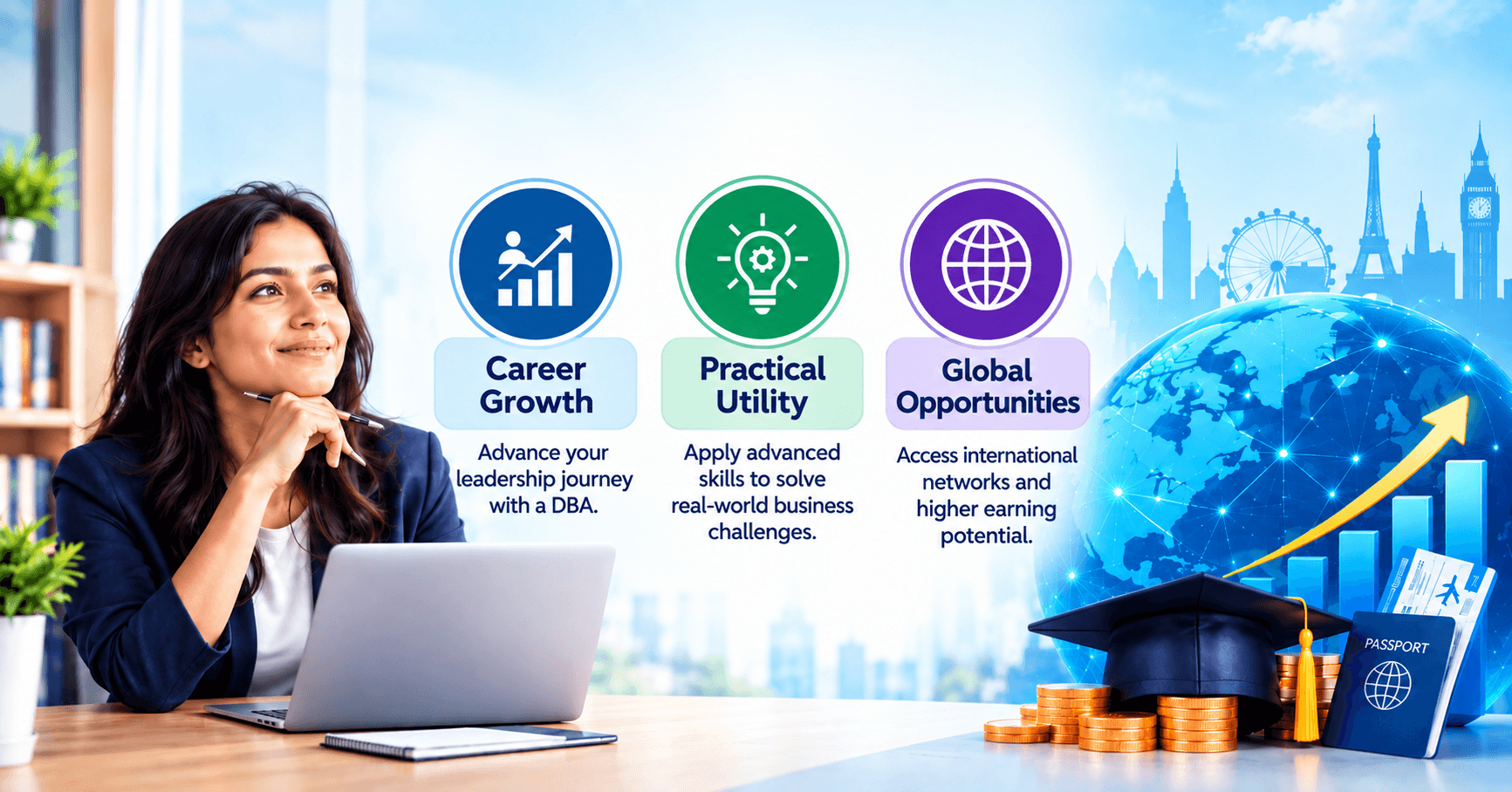
A Thorough Evaluation of EIMT Switzerland: Assessing the Global Utility of Its Online DBA
- EIMT Switzerland’s online DBA is a three-year doctoral program designed for working professionals, combining advanced management studies, applied research, and a practical dissertation. This review examines its academic credibility, international recognition, admission requirements, tuition fees, career relevance, and key factors to verify before enrolling.


- Oct 22, 2026
- Technology

- Oct 12, 2026
- Technology
- Sep 29, 2026
- Management